
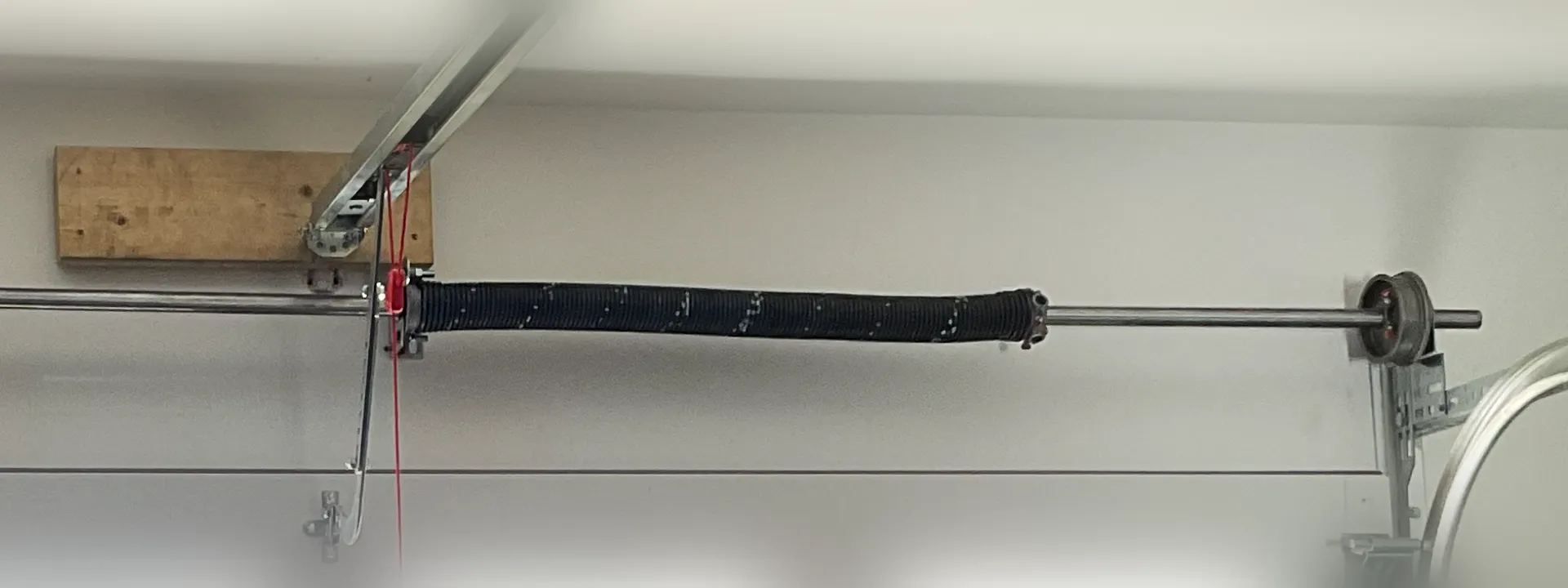
Garage door springs break due to a mix of natural wear, rust, poor maintenance, cold weather, and low-quality installation. Most springs last between seven and twelve years, but daily use, Colorado’s temperature swings, and skipped maintenance can cut that lifespan short. If your springs are showing signs of failure, fast garage door spring repair keeps your door safe and prevents bigger problems with your opener and other parts. Homeowners in Salida, Westcliffe, Colorado Springs, and nearby Colorado communities count on Rightly Garage Doors to inspect, repair, and replace springs the right way.
How Garage Door Springs Work
Your garage door is the largest moving part of your home, and the springs do most of the heavy lifting. Without them, the door would be far too heavy to raise by hand or with an opener. There are two main types of springs used in residential systems.
Torsion springs sit horizontally above the door and use twisting motion to lift the weight. They are common in modern garage doors and tend to last longer than extension springs. Extension springs run along the sides of the tracks and stretch to support the door as it moves. Both types carry significant tension, which is why a sudden break can sound like a loud bang or gunshot.
Understanding how these springs work helps explain why they eventually wear out and why broken garage door spring issues should always be handled by a trained technician.
Natural Wear and Tear Over Time
Every garage door spring has a cycle life, which is the number of times it can open and close before reaching the end of its working lifespan. A standard spring is rated for about 10,000 cycles. One cycle equals the door going up once and back down.
If your household uses the garage door four to six times a day, you may reach that cycle limit in seven to ten years. Larger families or homes that use the garage as the main entry point can wear through springs even faster. Once a spring reaches the end of its cycle life, the metal becomes fatigued and prone to snapping without warning.
This is the most common reason homeowners need garage door spring repair. Even with proper care, springs are designed to wear out eventually.
Rust and Corrosion
Moisture is one of the biggest enemies of garage door springs. When water, humidity, or condensation builds up on the spring coils, it leads to rust and corrosion. Rusted metal becomes brittle, loses its flexibility, and breaks far sooner than it should.
Colorado weather plays a role here. Snow melt, spring rain, and shifts between dry and damp conditions can all speed up corrosion if the springs are not protected. Rust also creates friction between the coils, which means the spring has to work harder during every cycle. That extra strain leads to faster wear.
Regular lubrication with a garage door specific spray helps create a protective barrier and slows the rusting process. Skipping this step is one of the easiest ways to shorten the life of your springs.
Lack of Routine Maintenance
A garage door system has many moving parts, and the springs depend on the rest of the system being properly balanced. When rollers, hinges, cables, and tracks are not maintained, the springs end up carrying more weight than they were designed to handle.
Routine maintenance keeps the entire system working in harmony. This includes lubricating moving parts, checking the door balance, inspecting cables and rollers, and tightening hardware. When any of these tasks are skipped, the springs take on extra stress and break sooner.
At Rightly Garage Doors, our 29-point inspection covers every major component of your garage door system. This thorough approach helps catch small problems before they turn into expensive repairs and gives your springs the best chance at reaching their full lifespan.
Cold Weather and Temperature Changes
South-Central Colorado homeowners deal with cold mornings, freezing nights, and rapid temperature shifts throughout the year. These conditions are tough on garage door springs.
Metal contracts in cold weather, which makes the springs more brittle and more likely to snap. This is why so many spring failures happen on the first cold morning of the season. The door also becomes harder to lift in freezing temperatures, putting extra strain on already weakened coils.
Frequent temperature swings also cause the metal to expand and contract repeatedly, which gradually weakens the structure of the spring. Homeowners in Salida, Westcliffe, Colorado Springs, and nearby Colorado areas often see broken springs during the coldest months for this exact reason. Keeping springs lubricated and scheduling a yearly inspection before winter helps reduce the risk of cold-weather failure.
Poor Quality or Improper Spring Installation
Not all garage door springs are built to the same standard. Lower-grade springs may save money up front, but they often fail much sooner than higher-quality options. The wrong size or weight rating can also lead to early breakage, since the spring has to work harder than it was designed for.
Improper installation is another common cause of premature failure. If the spring is not balanced correctly with the weight of the door, or if the wrong type is used for the system, you can expect a much shorter lifespan. This is why working with experienced technicians matters.
Rightly Garage Doors uses Wise Life Springs, a trademarked option built for long-term performance and backed by a lifetime warranty for the original homeowner. Choosing the right spring from the start helps homeowners avoid repeat repairs and enjoy reliable operation for years.
Signs Your Garage Door Spring Is About to Break
A failing spring rarely breaks without warning. Most homeowners notice small changes in how the door operates before a full break occurs. Catching these signs early can prevent damage to your opener and other parts of the system.
You may hear a loud popping or creaking noise when the door is in motion. The door might move more slowly than usual, hesitate when opening, or feel heavier than it used to. A visible gap in the spring coil is one of the clearest signs that the spring is on the verge of breaking. The door may also start to look uneven, with one side hanging lower than the other.
If you notice any of these issues, schedule a professional inspection right away. Continued use can cause additional damage and make the repair more expensive.
What to Do When a Garage Door Spring Breaks
A broken spring is not a small problem. The door becomes extremely heavy, sometimes weighing several hundred pounds, and the opener was never designed to lift that kind of weight on its own. Trying to operate the door after a spring break can damage the motor, bend tracks, or pull cables loose.
The safest response is to stop using the door, keep family and pets away from the area, and call a professional. Avoid trying to lift the door manually. The sudden release of stored tension during a spring break can also create sharp metal edges, which makes the area unsafe to handle without the right tools.
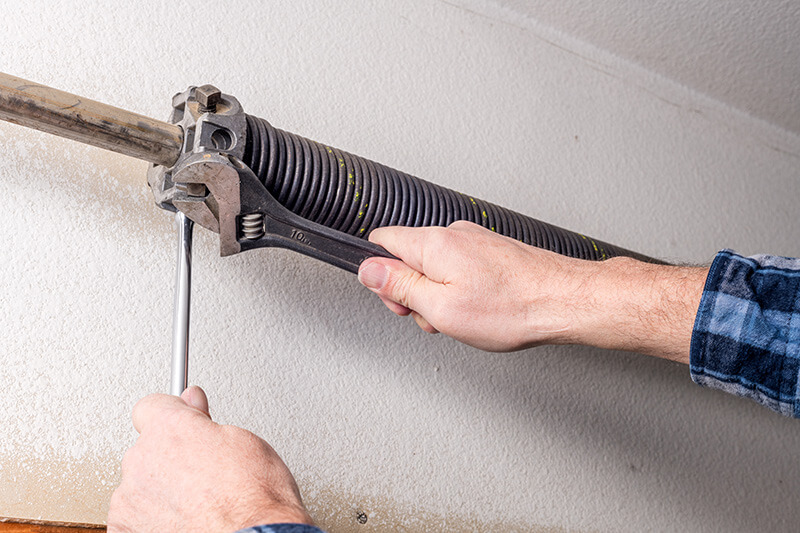
Garage door spring repair is one of the most dangerous DIY projects a homeowner can attempt. The springs hold massive amounts of stored energy, and a mistake during removal or installation can lead to serious injury. A trained technician has the tools, experience, and safety equipment to handle the job correctly.
How to Extend the Life of Your Garage Door Springs
While every spring will eventually wear out, simple habits help your springs last as long as possible. The goal is to reduce strain, prevent rust, and catch small problems early.
Lubricate the springs every three to six months with a product designed for garage doors. Avoid heavy grease, which can attract dust and debris. Listen to your door each time it operates, since changes in sound often signal early wear. Keep the area around the springs clean and dry to slow rust formation.
Schedule a yearly inspection with a trusted garage door company. A trained technician can spot issues like spring fatigue, cable wear, and balance problems long before they cause a breakdown. Annual maintenance is one of the most cost effective ways to extend the life of your entire garage door system.
Schedule Your Garage Door Spring Repair With Rightly Garage Doors
When your springs show signs of trouble, you want a team that takes the time to understand the problem and walk you through your options the right way. Rightly Garage Doors brings more than 12 years of hands-on experience to every service call, and our kitchen-table approach makes sure homeowners feel informed and confident before any work begins.
Every repair includes a full 29-point inspection to identify the real cause of the issue. Our work is backed by a one-year warranty, and our trademarked Wise Life Springs come with a lifetime warranty for the original homeowner. We proudly serve Salida, Westcliffe, Colorado Springs, and nearby Colorado communities with honest service and quality workmanship you can rely on.
Reach out to Rightly Garage Doors today to schedule your garage door spring repair and keep the largest moving part of your home running safely.