
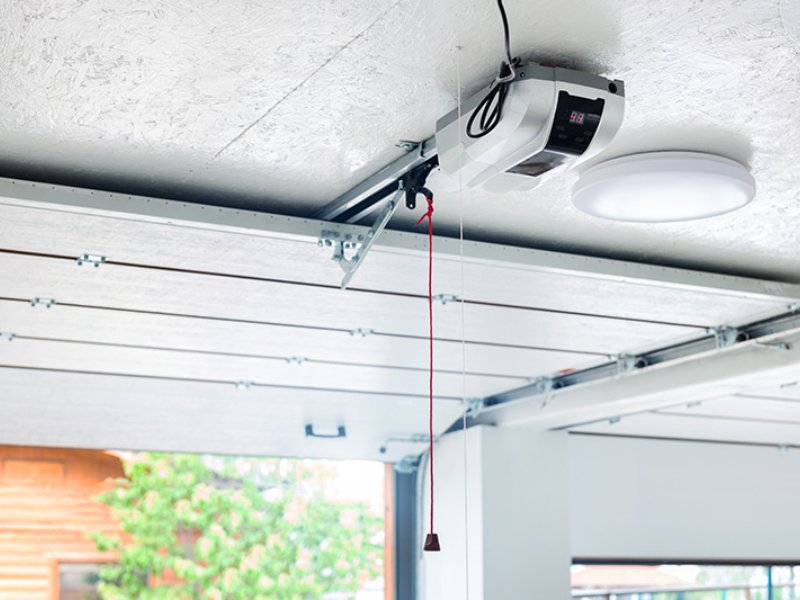
Frequent garage door opener repair is almost always a sign of an underlying issue that was never fully addressed. The most common causes include poor installation, a mismatched opener, skipped maintenance, power surges, worn gears, sensor problems, and an aging unit. Homeowners in Salida, Westcliffe, Colorado Springs, and nearby Colorado communities calling for opener repairs more than once should look beyond the symptom and find the real cause. Understanding what drives repeat repairs is the first step toward breaking the cycle and keeping your system running reliably for years to come.
Poor Installation From the Start
The most common reason homeowners deal with frequent garage door opener repair is a poor installation from the beginning. When an opener is not installed correctly, problems start showing up early and keep coming back no matter how many times individual parts are replaced.
Common installation mistakes include misaligned rails, incorrectly set travel limits, improper motor mounting, and safety features that were never tested after setup. A misaligned rail forces the trolley to work against resistance every single cycle, which wears down gears and strains the motor faster than normal use would.
Travel limits that are set too high or too low cause the opener to overwork itself at the end of every open and close cycle. A professional installation eliminates these issues from day one and sets the opener up for long term reliable performance.
Using a Low Quality or Mismatched Opener
Choosing the wrong opener for the size and weight of the garage door is one of the fastest ways to end up with a system that needs constant repair. An underpowered opener strains every time it lifts the door, which leads to worn gears, motor fatigue, and early failure.
A single car door and a heavy insulated double car door require very different levels of horsepower. When a homeowner installs a half horsepower opener on a door that needs three quarters or more, the motor is overworked from the very first cycle.
Low quality openers use cheaper internal components that wear out faster than premium units. The upfront savings disappear quickly once repair costs start adding up. Choosing the right opener for the specific door from the start prevents this pattern entirely.
Skipping Regular Maintenance
Lack of maintenance is one of the most preventable causes of frequent garage door opener repair. When the system is not regularly maintained, small issues compound over time and put added strain on the opener.
A drive chain, belt, or screw that has not been lubricated creates friction during every cycle. Dirty photo eye sensor lenses trigger false reverses that force the opener to work harder. Loose hardware along the rail and mounting bracket creates vibration that wears down internal components over time.
Simple maintenance habits including lubricating the drive system every six months, wiping sensor lenses clean, and tightening hardware during a yearly inspection keep the opener running smoothly. Most repeat repairs can be traced back to maintenance that was skipped for too long.
Power Surges and Electrical Issues
Colorado is no stranger to afternoon thunderstorms, and the power surges that come with them can cause serious damage to garage door openers. A single strong surge can fry the circuit board, wipe out programming, and damage sensor wiring all at once.
Homeowners who experience frequent opener issues after storms often have a circuit board that was partially damaged during a surge. The unit may work inconsistently, lose its programming, or stop responding to the remote entirely.
A surge protector on the outlet where the opener is plugged in reduces the risk of electrical damage during storms. For homeowners in areas with frequent power interruptions, a battery backup unit also helps the opener survive outages without losing programming or sustaining electrical stress.
Worn or Stripped Drive Gears
Drive gears are one of the most commonly replaced parts during a garage door opener repair call. These plastic gears sit inside the opener housing and transfer power from the motor to the drive system. Over time they wear down, especially in older units or openers that have been overworked.
A stripped gear produces a grinding sound during operation and causes the motor to run without moving the door. Many homeowners mistake this for a motor failure, but the motor itself is often fine. Replacing the gear early prevents the added strain from damaging the motor.
Gears wear faster when the opener is mismatched to the door weight, when maintenance has been skipped, or when the door itself is unbalanced. Addressing the root cause alongside the gear replacement prevents the same part from failing again.
Sensor Misalignment and Dirty Lenses
Photo eye sensors are one of the most frequent sources of garage door opener repair calls. These small devices sit near the bottom of the tracks and must face each other directly to allow the door to close safely.
Daily activity in and around the garage can knock sensors out of alignment without anyone noticing. A slight bump from a vehicle, a bike, or even a garden tool can shift the sensor just enough to trigger constant false reverses. Dust, cobwebs, and debris on the lenses block the beam and produce the same result.
Wiring issues and loose terminals also affect sensor performance over time. In many cases a simple cleaning and realignment solves the problem. Keeping sensors clean and protected from bumps reduces how often this issue comes up.
An Opener That Is Too Old for the System
Every garage door opener has a working lifespan. Most quality units last between 10 and 15 years with proper care. As an opener ages past that range, internal components begin to fail more frequently and repairs become harder to justify.
Older openers also lack modern safety features like rolling code security, battery backup, and smart connectivity. Growing more difficult and expensive over time to find replacement parts for discontinued models. When an opener needs repair repeatedly and is past its expected lifespan, replacement is almost always the smarter financial decision.
A trained technician can evaluate the opener and give an honest assessment of whether repair or replacement makes more sense.
Ignoring Early Warning Signs
Many homeowners end up in a cycle of frequent opener repairs because they ignored early warning signs. Grinding sounds, slow movement, hesitation before opening, and remote responsiveness issues are all signals the system sends before a full failure occurs.
Acting on these signs early almost always results in a smaller and less expensive repair. Waiting until the opener stops working completely often means more parts have been affected and the repair becomes more involved.
Paying attention to how the opener sounds and moves daily is one of the simplest ways to avoid repeat repairs.
How the Garage Door Itself Affects the Opener
The garage door and the opener work as a team, and problems with the door directly affect how hard the opener has to work. An unbalanced door, worn springs, and damaged cables all force the opener to compensate for extra weight and resistance.
A door with a broken or weakening spring can weigh far more than the opener was designed to lift. The motor strains during every cycle, which leads to gear wear, overheating, and eventually motor failure. Frayed cables create uneven tension that puts stress on the trolley and rail.
Keeping the full garage door system in good condition protects the opener from taking on work it was never designed to handle. A yearly inspection of the entire system helps catch door issues before they shorten the life of the opener.
How to Break the Cycle of Frequent Opener Repairs
Breaking the cycle of repeat opener repairs starts with addressing the root cause rather than just the symptom. Start with a professional installation using an opener properly matched to the weight and size of the door. Lubricate the drive system every six months and keep sensor lenses clean.
Schedule a yearly inspection covering the full garage door system so small issues are caught before they affect the opener. Consider adding surge protection to the outlet, especially in areas prone to Colorado afternoon storms. Act on early warning signs like unusual sounds and slow movement before they develop into larger problems.
Schedule Your Garage Door Opener Repair With Rightly Garage Doors
If your garage door opener keeps needing repair, the problem is almost never the part that failed. It is something deeper that a thorough inspection can identify. Rightly Garage Doors brings more than 12 years of hands-on experience to every service call, and our kitchen table approach helps homeowners feel informed and confident before any work begins.
Every repair includes a full 29-point inspection to evaluate the opener, door, springs, cables, and hardware. Our work is backed by a one-year warranty, and we proudly serve Salida, Westcliffe, Colorado Springs, and nearby Colorado communities with honest service and quality workmanship.
Reach out to Rightly Garage Doors today to schedule your garage door opener repair and find out what is really behind those repeat service calls.