
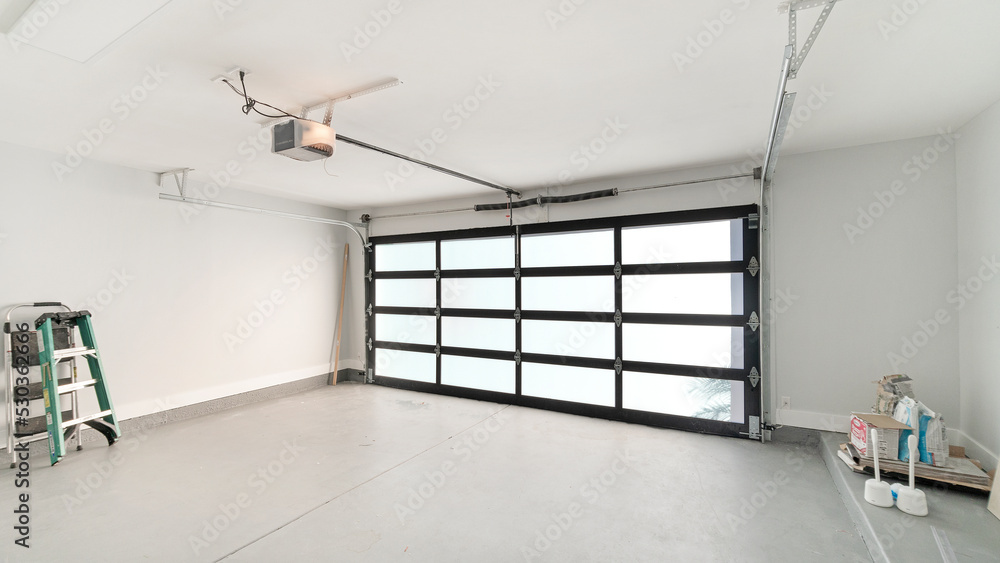
Why does my garage door hesitate to open? Common causes include a sticking bottom seal, worn rollers, damaged tracks, spring or cable problems, and a malfunctioning opener. Cold weather can also contribute to resistance near the floor. If your garage door jerks, moves unevenly, or struggles to lift, identify the warning signs before attempting further operation.
You press the remote, hear the motor start, and expect your garage door to open. Instead, it pauses, jerks, or struggles through the first few inches. Sometimes it eventually opens, while other times it stops halfway.
The problem isn’t always the opener. Your garage door has several moving parts, and even one worn component can affect its operation.
At Rightly Garage Doors, we help homeowners in Salida, Westcliffe, Colorado Springs, and nearby communities understand what their garage doors need before making repair decisions.
Here are five possible causes, what you can safely check, and when professional garage door repair is the right next step.
What Does It Mean When Your Garage Door Hesitates or Jerks?
A garage door that hesitates while opening may be experiencing mechanical resistance, uneven counterbalance, or an issue with the opener or controls.
One of the most useful clues is identifying exactly when the hesitation occurs.
| What Your Garage Door Does | Possible Cause | Recommended Action |
| Jerks during the first few inches | Sticking bottom seal, debris, or balance issue | Check the threshold when the door is closed |
| Hesitates at the same height | Worn roller, damaged track, or hardware friction | Request a mechanical inspection |
| Motor runs but door barely moves | Opener drive issue or excessive door resistance | Stop repeated operation and arrange service |
| Opens crooked or unevenly | Spring, cable, or counterbalance problem | Stop using the door immediately |
| Responds to wall control but not remote | Remote battery, programming, or control issue | Check the remote using the manufacturer’s instructions |
These observations don’t confirm which part has failed, but they can help a technician narrow down the problem.
Important: If you notice a broken spring, loose cable, displaced roller, crooked door, or sudden uncontrolled movement, stop using the garage door. Do not pull the emergency release or attempt to lift it manually.
5 Common Reasons Your Garage Door Hesitates When Opening
1. Your Garage Door Is Sticking to the Floor
If your garage door jerks when opening from a fully closed position, resistance near the bottom may be responsible.
The bottom weather seal is designed to help close the gap between the door and the garage floor. However, dirt, debris, moisture, and ice can interfere with its movement.
In Colorado communities such as Salida and Westcliffe, cold nights and changing temperatures may create conditions where moisture freezes around the garage door threshold.
Signs of a sticking bottom seal include:
- The garage door struggles during the first few inches.
- The opener starts, but the door doesn’t move immediately.
- Ice or moisture is visible near the threshold.
- The bottom seal appears stuck against the floor.
- The door suddenly jerks upward after initial resistance.
What Can You Safely Check?
With the door fully closed and inactive, inspect the accessible threshold.
Look for ice, mud, small objects, or loose debris that could interfere with movement.
Remove accessible debris only when it can be done safely without reaching beneath the door or touching mechanical components.
If the bottom seal appears frozen to the ground, don’t force the opener to lift it.
Increasing the opener’s force settings can place additional strain on the system without addressing the obstruction.
If the door continues hesitating after the threshold is clear, a mechanical problem may be responsible.
For additional seasonal preparation, read Rightly’s Colorado garage door winterization guide.
2. Worn Rollers or Damaged Tracks Are Creating Resistance
Garage door rollers help the door move along its tracks as it opens and closes.
When a roller becomes worn, its bearing deteriorates, or the track becomes damaged, the door may experience additional friction.
This can cause hesitation, grinding, or jerking at a particular point.
Common signs of garage door roller drag include:
- The door jerks at approximately the same height.
- You hear scraping or grinding near the tracks.
- One roller appears crooked or damaged.
- The door moves unevenly through the curved track.
- Visible rubbing marks appear along the track.
What Should You Do?
With the garage door inactive, visually inspect accessible tracks and rollers from a safe distance.
Do not touch the rollers, place your fingers inside the tracks, or loosen brackets.
A roller that appears damaged may need replacement, but the surrounding hardware should also be inspected.
Sometimes the roller isn’t the primary problem. A bent track, damaged hinge, or misaligned door section can create similar symptoms.
A qualified technician can check the complete travel path before recommending repairs.
Avoid applying lubricant simply to quiet the noise. Lubrication won’t correct a broken bearing, bent track, or displaced roller.
3. Your Garage Door Springs or Cables May Be Damaged
Garage door springs help counterbalance the weight of the door, while cables work with the lifting system to support controlled movement.
If a spring breaks or a cable becomes displaced, the door may no longer move evenly.
Your opener might still attempt to lift the door, but that doesn’t mean the system is safe.
Warning signs include:
- One side of the door rises faster than the other.
- A spring has a visible gap or separation.
- A garage door cable looks loose or frayed.
- The door becomes crooked during movement.
- A loud bang occurs before the problem starts.
- The opener strains but cannot lift the door normally.
These symptoms require immediate attention.
The Door & Access Systems Manufacturers Association, known as DASMA, advises that garage door spring systems and cables should be serviced by trained professionals because of the significant tension involved.
Never attempt to adjust spring tension, reconnect a cable, or pull the emergency release on a door showing these warning signs.
A professional inspection can determine whether the problem involves a damaged spring, cable, drum, or another component.
Rightly Garage Doors provides garage door spring replacement and garage door cable repair when those services are needed.
Is your garage door jerking, moving unevenly, or struggling to open? Rightly Garage Doors can inspect the problem and explain your repair options based on the door’s condition and your budget. Request a garage door inspection before repeated operation creates additional damage.
4. Your Garage Door Opener Is Struggling
A garage door opener that hesitates doesn’t necessarily need replacing.
Sometimes the opener is working against resistance elsewhere in the garage door system.
For example, damaged rollers, track problems, or an unbalanced door may cause the motor to work harder than normal.
In other cases, the opener’s internal components may be responsible.
Potential signs of opener trouble include:
- The motor hums before the door starts moving.
- The door stops unexpectedly during opening.
- The opener makes unusual grinding or clicking sounds.
- The motor runs while the door remains still.
- The opener responds inconsistently to commands.
How Do You Know if the Opener Is the Problem?
Pay attention to whether the motor continues running during the hesitation.
If the motor runs while the door barely moves, the issue could involve the drive system or excessive mechanical resistance.
If the motor doesn’t respond immediately, the problem could involve the controls or opener electronics.
The DASMA garage door opener safety guidance explains the importance of proper door balance and safe opener operation.
A more powerful motor won’t fix a broken spring or damaged track.
Avoid changing opener travel or force settings without the appropriate inspection and manufacturer’s procedures.
These settings can affect the garage door’s safety-reversal function.
If a technician determines that the opener needs attention, Rightly offers garage door opener services and installation.
The goal should be to fix the actual problem rather than replace a working opener unnecessarily.
5. Your Remote or Wall Control Is Sending Inconsistent Commands
Sometimes what appears to be garage door hesitation is actually a delay in receiving or responding to a command.
This is different from a door that physically jerks while moving.
For example, your garage door may open smoothly using the wall control but respond inconsistently to a handheld remote.
Possible causes include:
- A weak remote battery.
- Remote programming problems.
- Damaged remote buttons.
- An issue with the wall control.
- A fault within the opener’s control system.
What Can You Check?
If the garage door is straight, stable, and shows no visible mechanical damage, compare its response using the remote and wall control.
If only one remote behaves inconsistently, consult the manufacturer’s instructions for checking its battery or programming.
If both controls produce the same hesitation, the problem may be related to the opener or mechanical system.
Don’t open the motor housing, disconnect wires, or attempt electrical repairs yourself.
An important distinction is that photoelectric safety sensors primarily protect the door’s closing path. They shouldn’t automatically be blamed for an opening-only hesitation.
When Should You Stop Using a Garage Door That Jerks?
A garage door that occasionally responds slowly isn’t necessarily dangerous. However, sudden changes in movement or visible hardware damage should never be ignored.
Stop operating your garage door if:
- The door opens crooked or unevenly.
- A spring appears broken.
- A cable is loose, frayed, or displaced.
- A roller has come out of its track.
- The door becomes stuck halfway.
- The opener struggles against obvious resistance.
- The door moves unpredictably.
Repeatedly pressing the remote can worsen an existing mechanical problem.
If your garage door is stuck partially open, keep people and vehicles clear of the opening and contact a qualified technician.
If your vehicle is trapped or the opening cannot be secured, explain the situation when requesting service.
Rightly’s emergency garage door repair guide explains when an opening problem may require more urgent attention.
What Can You Check Before Calling a Garage Door Technician?
You don’t need to take apart your garage door to provide useful information.
A few safe observations can make the inspection more efficient.
Note Where the Hesitation Occurs
Does the door pause near the floor, halfway up, or just before reaching the fully open position?
The location can help a technician identify which components need closer inspection.
Pay Attention to Unusual Sounds
Grinding, scraping, clicking, or a sudden bang may provide additional clues.
However, avoid identifying a failed component based on sound alone.
Check for Visible Obstructions
With the door fully closed and inactive, look for loose debris or ice near the threshold.
Avoid reaching beneath the door or moving any loaded hardware.
Describe How the Opener Responds
Tell the technician whether the motor keeps running, stops during the hesitation, or fails to respond to the control.
If you can safely identify the opener model, include that information.
These details can help the technician prepare for the inspection without requiring unsafe DIY testing.
Should You Repair or Replace a Garage Door That Hesitates?
A garage door that hesitates when opening doesn’t automatically require a new opener or complete door replacement.
The decision depends on the cause, condition of the door, and extent of any damage.
| Problem Identified | Possible Solution |
| Sticking bottom seal | Address the obstruction or damaged seal |
| Worn rollers | Replace damaged rollers |
| Bent track | Professional track repair or correction |
| Broken spring | Professional spring replacement |
| Damaged cable | Cable repair or replacement |
| Faulty opener components | Repair or replace the affected opener |
| Remote control issue | Battery, programming, or control service |
At Rightly Garage Doors, we believe the right repair starts with understanding the problem.
Our approach is to listen to your concerns, explain what we find, and discuss suitable options for your needs and budget.
A smaller repair may be enough when the rest of the system is in good condition.
Replacing the entire opener or garage door should be based on an actual diagnosis rather than the hesitation alone.
How Much Does It Cost to Fix a Garage Door That Hesitates?
The cost of repairing a hesitant garage door depends on which part is causing the problem.
A remote battery issue requires different work from a damaged spring, bent track, or failing opener.
Several factors influence the total:
- Garage door size and configuration.
- The component requires repair.
- Labor and replacement parts.
- Additional hardware damage.
- Service timing and accessibility.
- Whether the opener also requires attention.
Instead of relying on a generic repair estimate, request a written diagnosis and explanation of the recommended work.
Ask which repairs are necessary for safe operation and which improvements are optional.
Comparing the repair scope and pricing can help you make a better decision.
Can Colorado Weather Cause Garage Door Hesitation?
Yes. Weather conditions can contribute to certain types of garage door resistance, particularly near the threshold.
In Salida, Westcliffe, and other Colorado communities, cold nights, moisture, ice, and seasonal debris may affect the area where the bottom seal meets the ground.
However, weather doesn’t explain every garage door problem.
A bent track, worn roller, broken spring, or damaged cable still requires proper diagnosis.
To help maintain your garage door through changing seasons:
- Keep loose debris away from the threshold.
- Look for visible ice or moisture buildup.
- Follow the manufacturer’s maintenance recommendations.
- Pay attention to new noises and changes in movement.
- Schedule professional service when mechanical problems appear.
Routine maintenance can help identify wear before it becomes more serious, but it cannot guarantee that every part will last indefinitely.
Frequently Asked Questions About Garage Door Hesitation
Why Does My Garage Door Hesitate When It First Opens?
A garage door that hesitates during the first few inches may have a sticking bottom seal, debris near the threshold, or mechanical resistance. If the door opens crookedly or appears unusually heavy, stop using it and request professional inspection.
Why Does My Garage Door Jerk Halfway Up?
Jerking at the same height may indicate a worn roller, damaged track, binding hinge, or counterbalance problem. A technician should inspect the door’s movement before recommending repairs.
Can Cold Weather Make My Garage Door Open Slowly?
Yes. Cold weather can contribute to resistance when moisture freezes around the bottom seal. However, slow or uneven movement may also indicate mechanical problems that require inspection.
Does a Hesitating Garage Door Mean the Opener Is Bad?
Not necessarily. Worn rollers, damaged tracks, spring problems, and threshold obstructions can affect how the opener performs. The entire garage door system should be evaluated before replacing the motor.
Can I Increase the Garage Door Opener Force to Stop Jerking?
No. Increasing force without diagnosing the cause can place additional strain on damaged components and interfere with safe opener operation. A qualified technician should evaluate the door and follow manufacturer-approved adjustment procedures.
Can I Open a Jerking Garage Door Manually?
Do not attempt manual operation if the door is crooked, unusually heavy, stuck, or showing spring or cable damage. Pulling the emergency release on a compromised door can create dangerous movement.
Why Does My Garage Door Open Smoothly With the Wall Control but Not the Remote?
The problem may involve the remote battery, programming, or control components. If the door otherwise operates normally and shows no mechanical damage, consult the manufacturer’s instructions for basic remote checks.
How Much Does It Cost to Repair a Garage Door That Jerks?
The price depends on the diagnosed problem, replacement parts, and labor. Remote issues, roller replacement, spring repairs, and opener service have different costs. Request an itemized estimate after inspection.
Get Professional Garage Door Repair From Rightly Garage Doors
A garage door that hesitates or jerks doesn’t always need a major repair. Sometimes the problem is near the threshold. Other times, worn hardware, counterbalance issues, or the opener may be responsible.
Finding the actual cause helps avoid unnecessary replacements and keeps safety at the center of the decision.
Rightly Garage Doors serves homeowners in Salida, Westcliffe, Colorado Springs, and nearby Colorado communities.
We take the time to understand your concerns, explain what we find, and discuss repair options that fit your needs and budget.
Contact Rightly Garage Doors to schedule a garage door inspection today.
Get clear answers about why your garage door hesitates when opening and professional help choosing the right repair.